Periodontitis is one of the most common, yet most underestimated oral diseases. Although its beginnings may seem innocent, failure to treat it properly can lead to serious consequences, including tooth loss. The first sign that should not be ignored is bleeding gums.
What is periodontitis and where does it come from?
Periodontitis, otherwise known as periodontitis or periodontal disease, is a chronic inflammation of the tissues surrounding the teeth. The disease develops gradually, starting with an innocent inflammation of the gums (gingivitis), which, untreated, progresses to periodontitis. The main causes are:
Accumulation of bacterial plaque and tartar,
Inadequate oral hygiene,
genetic factors,
smoking cigarettes,
stress,
General diseases, such as diabetes.
Periodontitis symptoms - when should you be concerned?
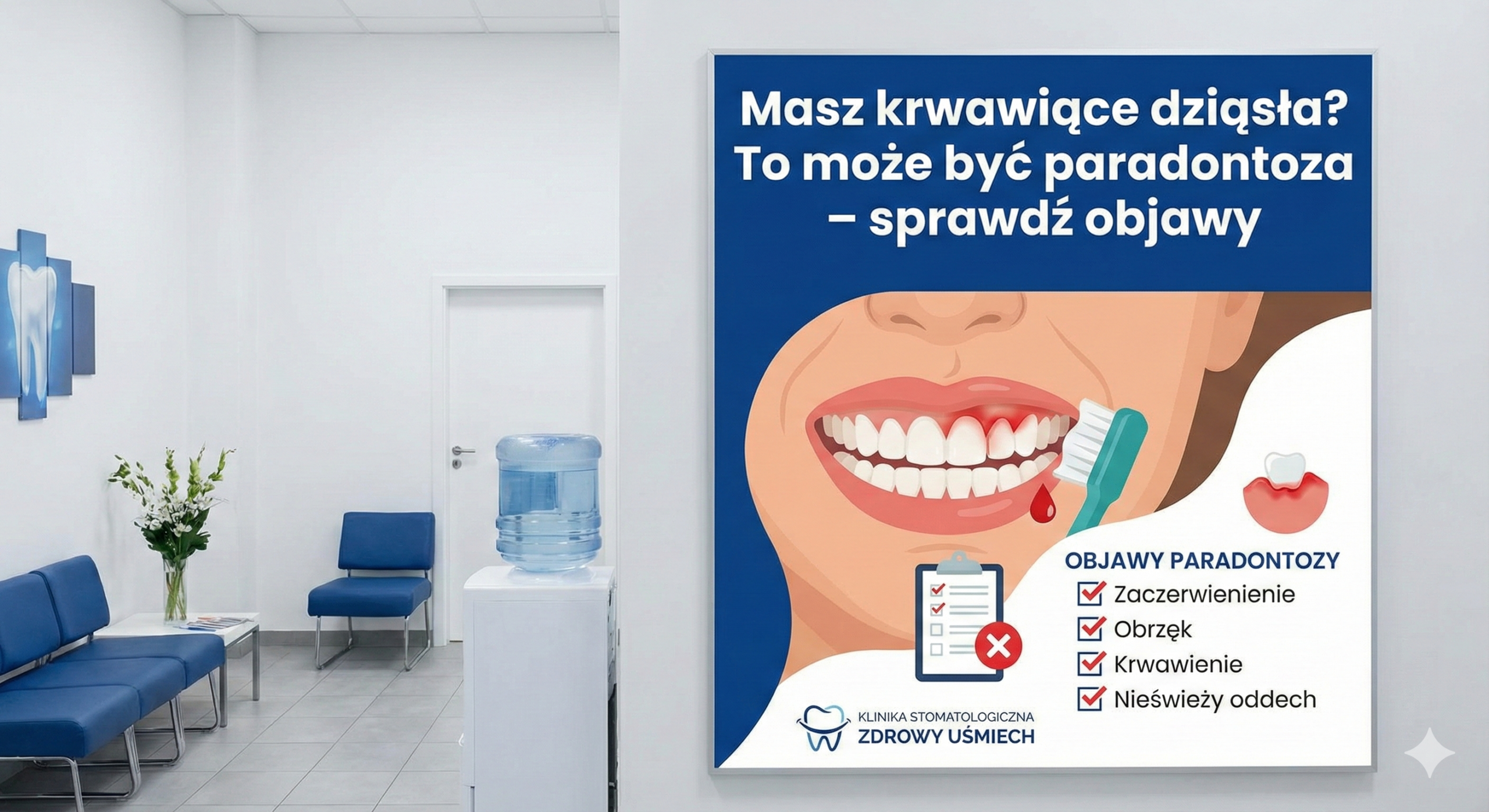
Periodontitis can develop for years without obvious pain symptoms. That's why it's important to respond to early symptoms:
If left untreated, periodontitis leads to the slow degradation of the periodontal tissues and bones that hold the teeth. At an advanced stage, they can be lost. Moreover, chronic inflammation in the oral cavity can negatively affect the overall health of the body, increasing the risk:
heart disease,
type 2 diabetes,
pregnancy problems,
respiratory diseases.
What is the treatment of periodontitis?
Treatment of periodontal disease in the clinic Anadent Wojtyla Always begins with a thorough periodontal diagnosis. Then the doctor selects the appropriate methods:
Scaling and sandblasting: removal of tartar and deposits.
Root planning (formerly known as closed curettage): cleaning gum pockets without incising them.
Open curettage: surgical procedure performed on deeper pockets.
Antibiotic therapy: supporting treatment in advanced inflammation.
Laser therapy: precise removal of inflammatory lesions and stimulation of healing.
Regeneration of periodontal tissues: Use of materials that support periodontal tissue restoration
Treatment depends on the severity of the disease and is always individually tailored to the patient.
Can periodontitis be completely cured?
Paradontosis is a chronic disease, so we don't talk about "complete cure", but about stopping the disease process i maintaining gum health. Regular check-ups, professional cleaning and daily home hygiene can effectively stop the development of the disease and enjoy a healthy smile for years to come.
How to prevent periodontal disease?
Brush your teeth 2x a day for a minimum of 2 minutes.
Use floss or interdental brushes daily.
Use antibacterial mouthwashes.
Visit your dentist every 6 months for a check-up and hygiene.
Avoid cigarettes, take care of a diet rich in vitamins and minerals.
Summary
Bleeding gums should not be ignored. This is one of the first signs of periodontitis - a disease that develops insidiously, but gives clear signals. In the clinic Anadent Wojtyla In Wroclaw, we offer comprehensive diagnostics and treatment of periodontal diseases. The earlier you respond, the greater the chance of keeping your teeth and gums healthy. Make an appointment for a consultation and take care of your smile today!



 English
  Polish
  Ukrainian