Implantology is a modern field of dentistry that allows patients to restore missing teeth with dental implants. Dental implants are artificial roots, made of titanium, which are inserted into the jawbone or jawbone. Crowns, bridges or dentures can be attached to the implants, restoring full functionality and aesthetics to the smile.
What are dental implants?
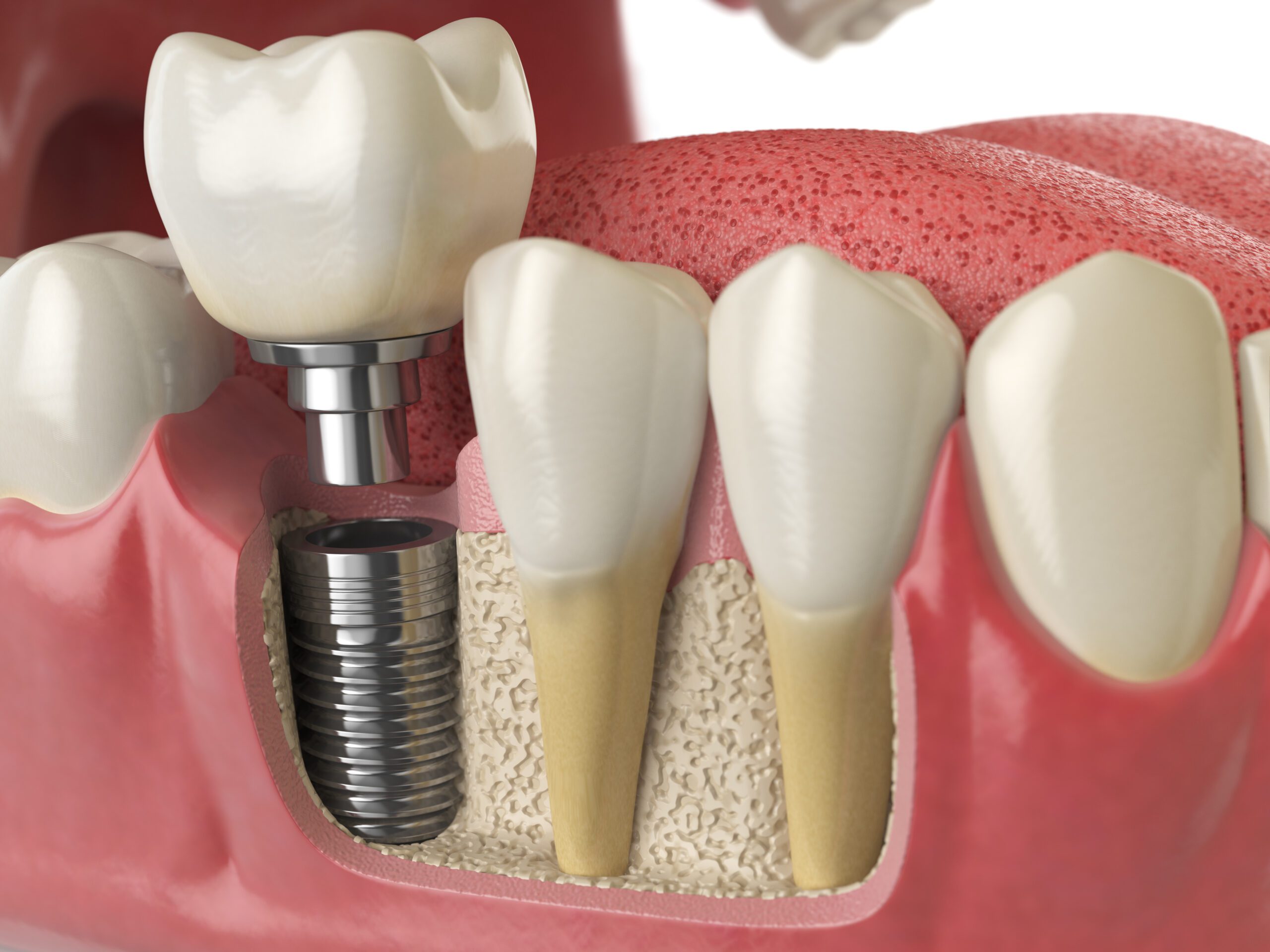
A dental implant is a small titanium screw that replaces the root of a lost tooth. Thanks to its biocompatible properties, titanium integrates with the bone in a process called osteointegration, making the implant a solid foundation for prosthetic restoration.
Why opt for dental implants?
Dental implants offer a number of benefits that make them the best solution for people with missing teeth:
Natural appearance and functionality: Implant restorations are very similar to natural teeth both aesthetically and functionally.
Durability: With proper hygiene and regular check-ups, the implants can serve the patient for a lifetime.
Protection against bone loss: Tooth loss leads to gradual jawbone atrophy. Dental implants prevent this.
Stability: Unlike removable dentures, implants provide the patient with stability and confidence when eating and speaking.
Implant treatment process
Consultation and treatment planning: The first step is a consultation visit, during which the implant dentist will assess the patient's oral condition and perform tests, such as CT scans, to accurately plan the position of the implants.
Implant placement: The procedure involves inserting an implant in place of a missing tooth. Thanks to modern techniques, the process is painless, performed under local anesthesia.
Healing period: The implant is followed by the process of osteointegration, which is the fusion of the implant with the bone. This usually takes 3 to 6 months, depending on the patient's bone condition.
Assembly of prosthetic restoration: Once the healing period is complete, a crown, bridge or denture is attached to the implant, restoring full functionality to the tooth.
Can everyone get implants?
Dental implants are an ideal solution for most people, but there are some contraindications. People with uncontrolled diabetes, autoimmune diseases, or with bone atrophy may require additional treatments or be excluded from implant treatment. Proper oral hygiene and regular visits to the dentist are also important so that the implants will last for many years.
Dental implants in Wroclaw - why choose our clinic?
In our clinic Anadent Wojtyla In Wroclaw, we offer professional implant treatment using modern technologies and materials. Our specialists have many years of experience, and each treatment is individually tailored to the needs of the patient. Why should you choose implants with us?
Modern technologies: We use the latest solutions in implantology, which guarantee high quality treatment and patient comfort.
Experience: Our team consists of experienced implantologists who have hundreds of successful procedures to their credit.
Individualized approach: We treat each case individually, tailoring the treatment plan to the patient's specific needs.
Frequently asked questions about dental implants
Is the implant procedure painful? The procedure is performed under local anesthesia, so the patient does not feel any pain during the implant placement. After the procedure, you may experience mild pain, which can be easily relieved with painkillers.
How long does implant treatment take? The entire process, from implant placement to the placement of the prosthetic restoration, can take from 3 to 6 months. This time depends on the individual circumstances of the patient. In some cases, implants can be loaded immediately with temporary crowns.
What are the costs of dental implants? The cost of implant treatment depends on the number of implants placed, the type of prosthetic restoration and additional procedures, such as bone augmentation. However, it is worth remembering that this is an investment for years.
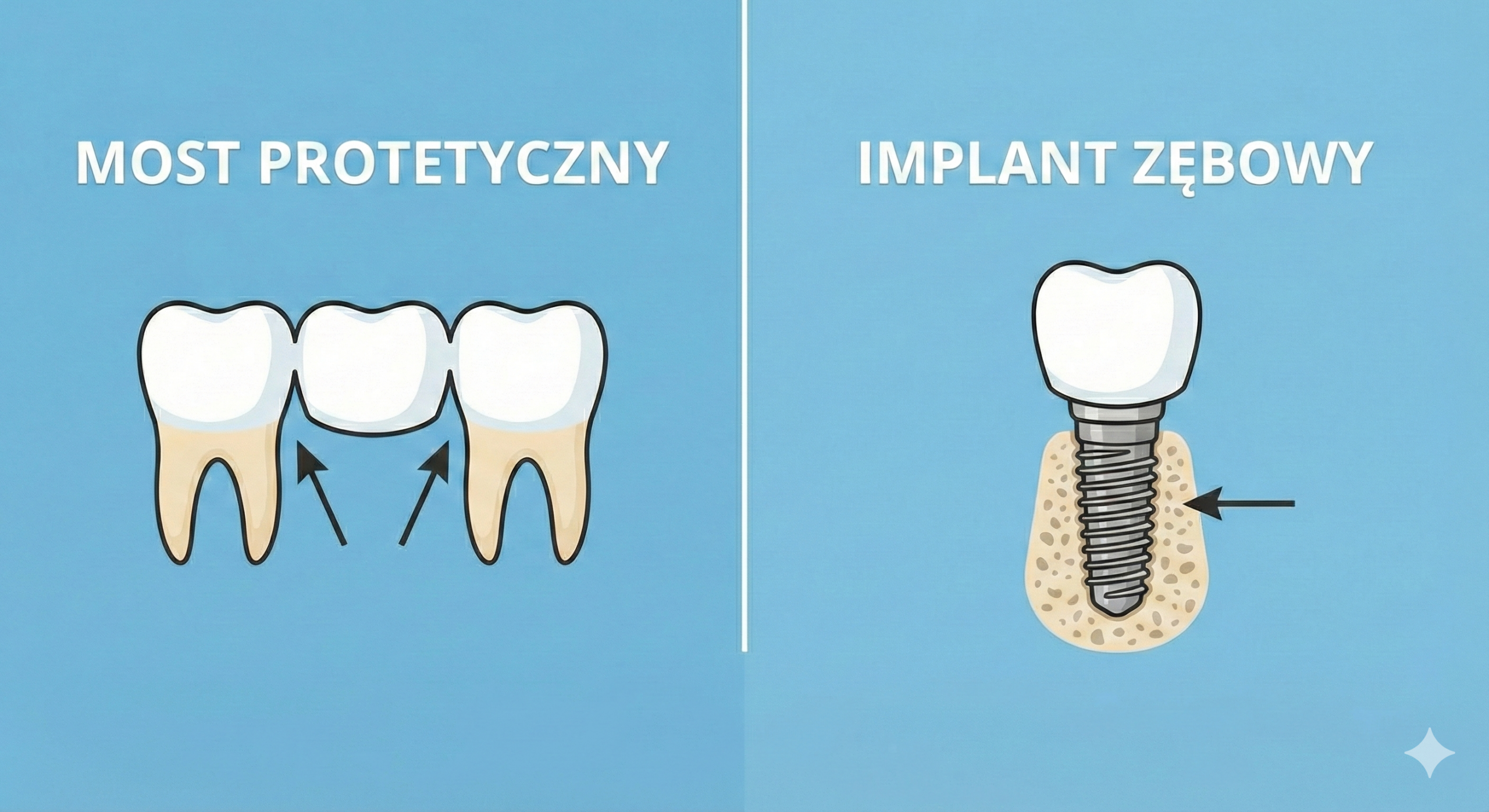
What are the alternatives to implants? Alternatives to dental implants include dental bridges and dentures. However, these solutions do not offer the same durability and functionality as implants.
Summary
Dental implants are the perfect solution for people who want to restore the functionality and aesthetics of their smile. They offer durability, stability and a natural look, and with proper hygiene can last a lifetime. If you are looking for professional dental care in Wroclaw, please visit our clinic Anadent Wojtyla, where our specialists will take care of your oral health and beautiful smile.


 English
  Polish
  Ukrainian